
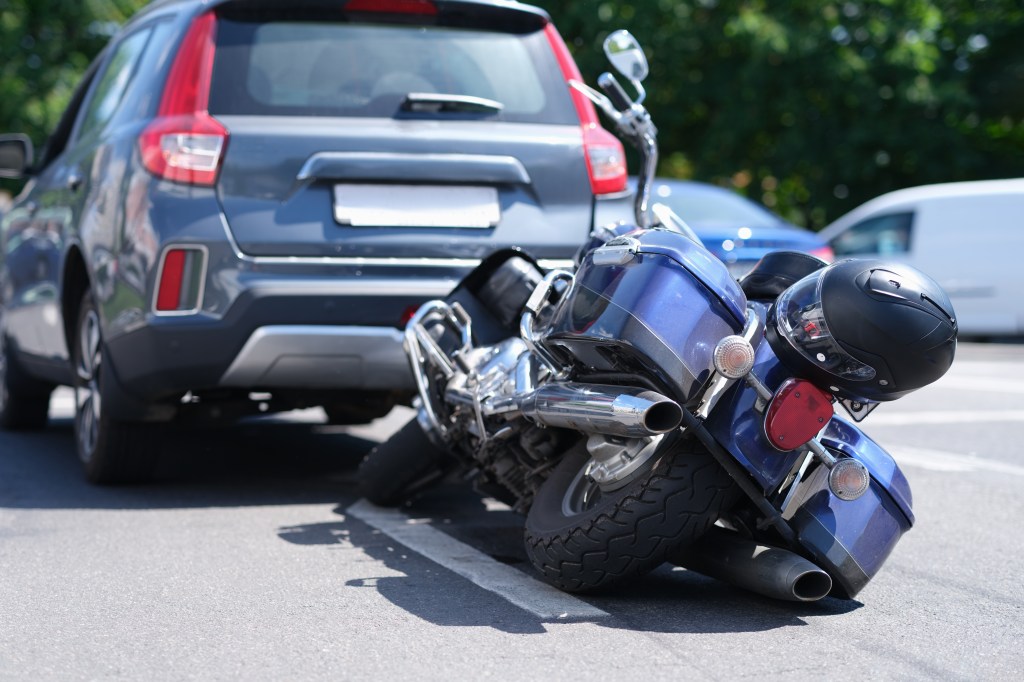
In the landscape of vehicular travel, motorcycles and cars represent two distinct modes of transportation, each offering unique experiences on the road. However, when it comes to accidents, the legal nuances between motorcycle and car incidents can significantly differ. Understanding these key legal differences is important for anyone who finds themselves involved in such unfortunate events. This blog explores the legal distinctions that set motorcycle accidents apart from car accidents, providing a comprehensive guide for both riders and drivers alike.
Motorcycles Design
Motorcycles, by their very design, present a unique set of risks compared to cars, primarily due to their lack of physical protection and smaller size. Unlike cars, which have enclosed cabins, seat belts, and airbags to shield occupants during collisions, motorcycles expose riders directly to external impacts. This absence of a protective structure makes injuries in motorcycle accidents more severe and, consequently, leads to different legal outcomes. For example, the higher likelihood of serious injury or fatality can result in greater compensation claims for medical expenses, pain and suffering, and lost wages. Furthermore, the legal interpretation of liability may also differ, as drivers of other vehicles are often scrutinized to determine whether their ability to see and anticipate a motorcycle’s movements was adequate. These factors underscore the distinct legal complexities that stem from the inherent risks associated with motorcycle design.
Motorcycle Visibility
Motorcycle visibility plays a vital role in the legal assessment of accidents involving motorcycles compared to car accidents. Due to their smaller size and narrower profile, motorcycles are often less visible to other drivers, which can lead to accidents caused by a failure to detect the motorcyclist’s presence in time. Legally, this reduced visibility often becomes a focal point in determining liability, as drivers of larger vehicles may argue that the motorcyclist was in a “blind spot” or not adhering to visibility-enhancing measures, such as using headlights or wearing reflective gear. Unlike car accidents, where visibility rarely becomes a core issue, motorcycle cases frequently involve disputes over whether proper precautions were taken by all parties to maximize detection. Courts may consequently assign a higher level of responsibility to motorcyclists for ensuring their visibility, though they also scrutinize other drivers to evaluate whether their failure to observe the motorcycle constituted negligence. It is recommended to reach out to legal representation that specialize in motorcycle accidents, like the attorneys at Bowers Fawcett & Hurst, LLC, to help defend your case if needed.
Helmet Laws
Helmet laws play a critical role in the legal and medical outcomes of motorcycle accidents, as they can significantly affect liability and compensation claims. Unlike car accidents, where seat belts and airbags provide standardized protection, motorcyclists rely heavily on helmets to mitigate the risk of severe head injuries. Many jurisdictions mandate helmet use, and the failure to comply can impact a victim’s ability to recover full damages in a lawsuit. For example, if a rider suffers a traumatic brain injury in an accident but was not wearing a helmet in a state requiring one, opposing counsel may argue for reduced compensation based on contributory negligence. The complexities surrounding such cases underline the importance of experienced legal representation, as an attorney, like those from Diaco Law, can carefully evaluate the circumstances, counter arguments surrounding negligence, and advocate for fair compensation. Whether the issue revolves around improper helmet use or the negligence of a driver, skilled legal counsel ensures that the nuances of the case are effectively presented.
Insurance Policies
Insurance policies for motorcycle accidents often differ significantly from those for car accidents, reflecting the unique risks associated with each type of vehicle. For instance, motorcycle insurance typically includes specialized coverage options such as comprehensive protection for custom bike modifications or accessories, which are not relevant in standard car insurance policies. Additionally, medical payment coverage in motorcycle policies may be more critical due to the heightened risk of injury, as motorcyclists lack the physical protections of a car’s structure. On the other hand, car insurance policies are more likely to encompass coverages such as personal injury protection (PIP) or uninsured motorist property damage coverage, which cater to scenarios involving vehicles with more substantial repair costs. An example of this distinction can be seen in cases where a motorcyclist opts for accessory coverage to safeguard custom additions like saddlebags, whereas a car owner might focus on collision coverage to address repair expenses from accidents. These differences underscore the need for tailored insurance strategies to address the specific liabilities and risks of each vehicle type.
In conclusion, while motorcycle and car accidents share some similarities in their legal processes, key differences significantly influence claims and liability considerations. Motorcycles, due to their unique structure and increased vulnerability, often lead to more severe injuries and necessitate specialized legal strategies. Factors such as helmet laws, comparative negligence, and the perception of risk play prominent roles in determining outcomes for motorcyclists. Meanwhile, car accidents tend to involve a broader scope of insurance coverage and less pronounced bias in fault determination. Recognizing these distinctions is essential for affected individuals to effectively protect their rights and pursue fair compensation within the legal framework.
This content is intended for information purposes, and is not intended
as professional, financial, and/or legal advice. Users rely on this
information at their own risk. No professional relationship has
been established, and advice of doctors, financial professionals,
and/or legal advisors is encouraged. Users acknowledge inherent
risks in acting on information and assume full responsibility.

 Lovely Lavender Law